Weak Sensations - The Capture
Ioana Satmari • 11/6/2024About the film:
Another film that adheres to the Romanian New Wave style, yet brings nothing new to it: a worn-out, self-sabotaging couple. Pia (Nicoleta Lefter) wants a child, while Sami (Yann Verburgh), who grew up outside of Romania, having left before ’89 with faint traces of communism, molded by his mother’s care, finds himself oppressed by the remnants of times he never knew.
The Capture, directed by Adi Voicu, doesn’t manage to present its research on the era it’s set in, nor does it convey emotion effectively. The research seems intended as a glimpse into life in Romania when justice was bought. Sami, being “from abroad,” faces discrimination that should stir up emotion, but both the documentary aspect and the emotional depth lack foundation. The film seems built on the assumption that we already know how things were. It’s up to us to feel, as we’re given only the scent of what we’re supposed to taste. Yet, the emotion wavers.
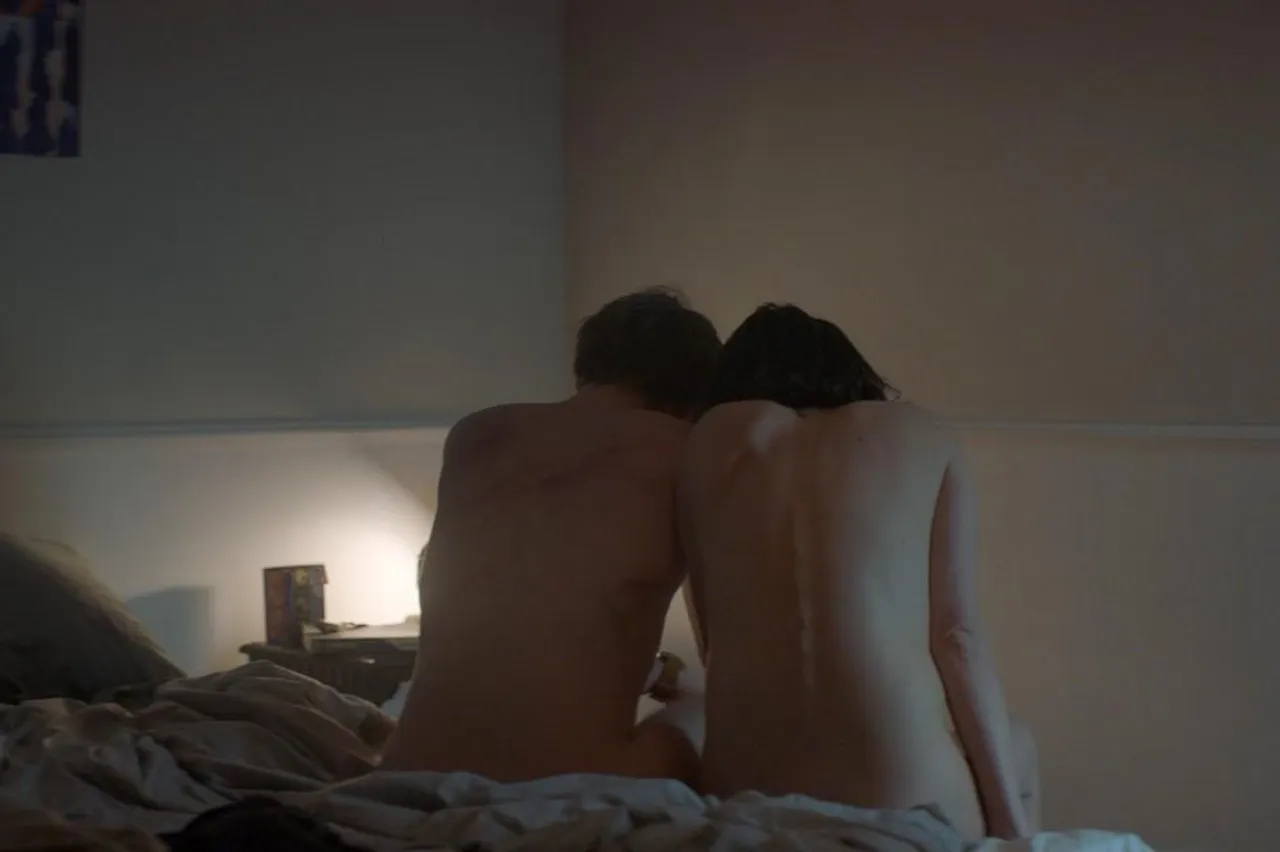
Sami and Pia aren’t doing well. Their relationship is breaking apart: she feels she isn’t taken seriously, while he feels lost. We rarely see Sami because he’s the one holding the camera, the eye filming the events. The moment that’s supposed to strike us is when, after the August 10, 2018, protests, Sami is whisked away by a police van. The crime? Filming. The director seems to attempt a reference to the authorities’ attitude toward things that remain, expressions of freedom. But it doesn’t feel convincing. The officers are soft, almost not taking themselves seriously. The arbitrary injustice draws a parallel to memories of other times (familiar, but not lived by everyone). It’s like a game of telephone, as if we’re all supposed to agree on what we feel. It brings to mind compassion fatigue—where people become emotionally numb or overwhelmed from overexposure to distressing messages, leading to audience exhaustion or apathy.
About the vibe:
There are still many films anchored in the feelings of those times, even if they don’t take place then. Most directors are over 40, as is the case with The Capture. Their childhoods were shaped by the (lack of) values and lifestyle imposed by that era. It’s natural for them to seek nostalgia, but the New Wave’s stylistic approach keeps us trapped in the same world, even if through a different lens.
How do those in their twenties relate to a time that most parents and grandparents either bury or sugarcoat, and when they speak of it, it feels like déjà vu? Everyone shares a common memory. We see old buildings, faded families, and stereotypes of the elderly and the young. I’d like to see more films about cheap youth, Romanian kitsch, and the absurdity of the everyday, instead of rehashed communism, the scent of death, and old people smiling in their windows. Much has been constructed, written, and mythologized around wounds we’re still licking. I’m not denying that these films try to heal, but the wounds may never fully scar over for those who witnessed it.
I don’t dispute the still-lingering echo of the dictatorship in our society, whether through mindset or individuals, but change is palpable, and we can’t keep looking at the present as though it were two decades ago. Generations have shifted. It seems we can only feel free by comparison to those times. We, those who came after, are blamed for not knowing what it was like, for not understanding, for being ungrateful. Because we were born after, we were born into freedom, and we take the present as normal. But should we feel guilt for what we feel?
It feels as though the emotion in The Capture was more in the director’s perception than on the screen.