Promises with a Strong Physical Presence - Smiling Georgia
Ioana Satmari • 10/14/2024Paradoxically eerie, sincere, and amusing in a naive way, Smiling Georgia makes you chuckle at things you probably shouldn’t. It’s laughable how easily we’re misled, and it becomes oddly entertaining when we see others in our own situation. This documentary, directed by Luka Beradze, slyly grins at us, this time, toothlessly.
The subject matter is straightforward, grounded in existing reality rather than waiting for events to unfold: it’s 2012 in Georgia, during the presidential campaigns. Naturally, at the center are political promises. One of the 12 candidates, Mikheil Saakashvili, launched the “Smiling Georgia” campaign, promising free dental care for the financially disadvantaged in exchange for their votes. Many from rural areas took him up on it, signing up for dental treatments.
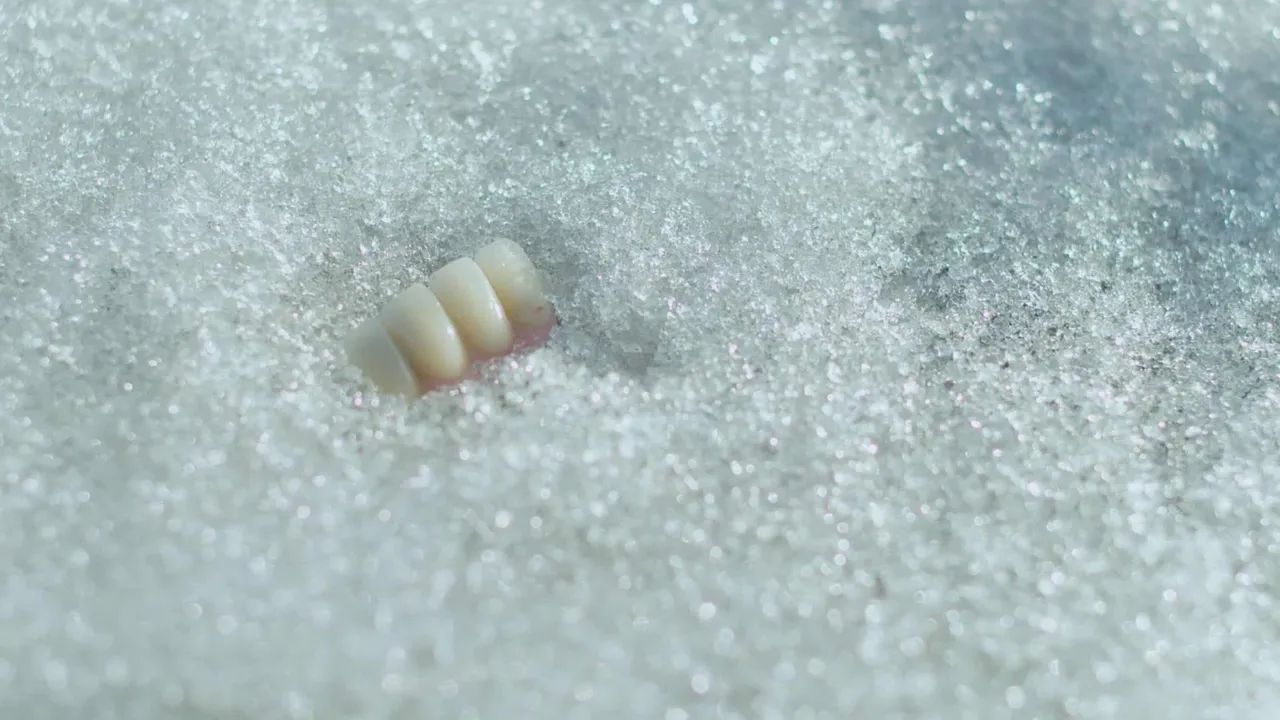
The documentary shares the experiences of a few of these people. They recount how they had anywhere from one to fifteen teeth removed, with promises of dentures at a follow-up appointment. But when they returned, they were told that Mikheil had lost the election and that “no one has time for their teeth anymore.”
The film contrasts the story’s environment with the hollow promises, capturing it closely enough that we feel the authenticity of what’s being shared. This contrast emerges between the hidden humiliation of those who believed in the promises of a man with his face plastered on poles, trees, and trash bins.
Smiling Georgia is a clear illustration of the relationship between the signified and the signifier. Here, the signified—the underlying message—points to the pathology of power, while the signifier is the weighty, empty gestures of politicians. This isn’t unique to Georgia. Lofty promises of homes, pensions, tax cuts, and other benefits abound, displayed alongside oversized faces staring piercingly from campaign posters, with a nose as big as a balcony, offering supposedly secure futures. This relationship and the film’s skillful portrayal of it hold the documentary together, although the contrast weakens somewhat in the second half.
A reminder that documentaries often hide the camera these days to appear more authentic, an “invisible style.” This new authenticity comes from people sharing what they truly feel is important, knowing it will travel beyond their local environment.
Smiling Georgia, directed by Luka Beradze, feels like a myth waiting to spawn bad jokes. The sad part is, these kinds of things don’t only happen in Georgia. The bad jokes come back periodically, like clockwork, about every four years or so.